
The 3 Types of Lighting Every Room Needs: Ambient, Accent & Task
Lighting is one of the most important — and most often overlooked — elements of interior design. It’s not just about visibility; it’s about atmosphere, functionality, and highlighting what matters. The key to creating ambiance and comfort in your space is lighting a room in layers. Whether you’re designing a cozy living room, a productive home office, or a calming bedroom, understanding the three essential types of lighting — ambient, task, and accent — will completely change the way your space feels and functions.

Let’s break them down:
1. Ambient Lighting: The Foundation of a Well-Lit Room
What it is:
Ambient lighting is your room’s primary source of light. Think of it as the natural daylight of your indoor space — the base layer that ensures the whole room is evenly lit.
Common sources include:
- Ceiling-mounted fixtures (like chandeliers, flush mounts, or pendants)
- Recessed lighting
- Floor and table lamps (when used to light the general space)
- Natural light through windows
Purpose:
Ambient lighting sets the tone and mood. It’s functional — you need to see where you’re going — but it also lays the groundwork for how welcoming or open a room feels. Soft, warm ambient lighting creates a cozy vibe, while bright white light can feel crisp and energizing.
Tip:
Use dimmers where possible. Being able to adjust the intensity of your ambient light allows you to shift the atmosphere throughout the day or depending on the occasion.
2. Task Lighting: For Getting Things Done
What it is:
Task lighting is exactly what it sounds like — lighting that helps you perform specific tasks. Reading, cooking, working at a desk, applying makeup — these all require focused, brighter lighting in a specific area.
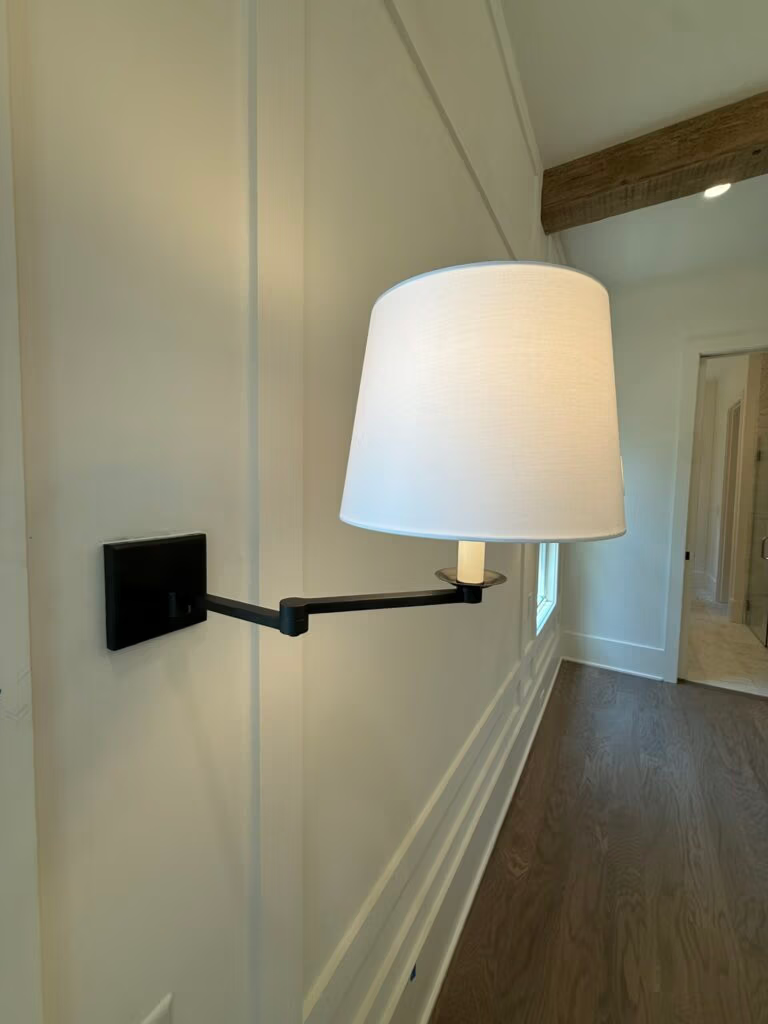
This swing arm sconce positioned by the bed provides functional task lighting
Common sources include:
- Desk lamps
- Under-cabinet lights in the kitchen
- Vanity lights in bathrooms
- Adjustable reading lamps
- Pendant lights over a kitchen island or dining table
Purpose:
Task lighting reduces eye strain and ensures you have enough illumination to safely and efficiently carry out activities. It’s more intense and concentrated than ambient lighting but shouldn’t cause glare or shadows.
Tip:
Layer task lighting over your ambient lighting rather than replacing it. Think of it as a spotlight added on top of your room’s general glow.
3. Accent Lighting: Add Drama & Style
What it is:
Accent lighting is used to highlight specific features in a room. It’s less about function and more about design — adding depth, drawing attention, and enhancing your room’s character.
Common sources include:
- Track lights
- Wall sconces
- Picture lights
- LED strips inside shelves or behind furniture
- Spotlights on artwork or architectural elements
Purpose:
Accent lighting creates focal points. Want to show off a piece of art, a statement plant, or an exposed brick wall? Accent lighting is your go-to. Additionally, it can also help create visual interest and dimension, especially in the evening when the rest of the lights are dimmed.
Tip:
Think in contrasts. Accent lights should be at least three times brighter than the surrounding ambient light to truly stand out.
Why You Need All Three
The magic happens when you layer these three types of lighting. A room lit only with overhead ambient lighting can feel flat or uninspired. But combine it with thoughtful task lighting and well-placed accent lighting, and suddenly the space feels dynamic, functional, and inviting.
Lighting isn’t just practical — it’s emotional.
It can energize you in the morning, help you focus during the day, and relax you in the evening. With the right combination of ambient, task, and accent lighting, every room in your home can look (and feel) its best.
Ready to light up your space?
Start by evaluating your current setup: Do you have good ambient coverage? Are your tasks well-lit? What do you want to highlight? From there, build a layered lighting plan that makes your home shine.When designing a room or deciding on lighting fixtures for a space, it is important to realize that multiple types of light are necessary to create an inviting and relaxing room. Three types of lighting are necessary to give a room a cohesive, inviting feel. This is a key to creating ambiance and comfort in your space.
.